
In many established areas, neighborhoods carry an identity that both buyers and homeowners instinctively recognize. Because of this, a neighborhood remodel must respond thoughtfully to its surroundings rather than compete with them. When remodels ignore context, they often feel out of place, even if the workmanship itself is high quality. By contrast, the most successful neighborhood remodel projects enhance the home while preserving the rhythm and character of the street. Therefore, if you are planning a neighborhood remodel and want your home to feel intentional within its setting, a walkthrough can help ground key decisions before plans are finalized.
Why Neighborhood Character Matters in a Neighborhood Remodel
- Buyers compare homes to surrounding properties
- Visual cohesion influences perceived value
- Out-of-context designs attract the wrong attention
- Harmony often outperforms contrast
Understanding the Architectural Language in a Neighborhood Remodel
- Rooflines establish visual rhythm
- Window proportions repeat across streets
- Material palettes are often consistent
- Massing influences scale expectations
Updating Without Erasing Character in a Neighborhood Remodel
- Preserve defining architectural elements
- Modernize finishes rather than forms
- Edit details instead of replacing everything
- Respect proportions that already work
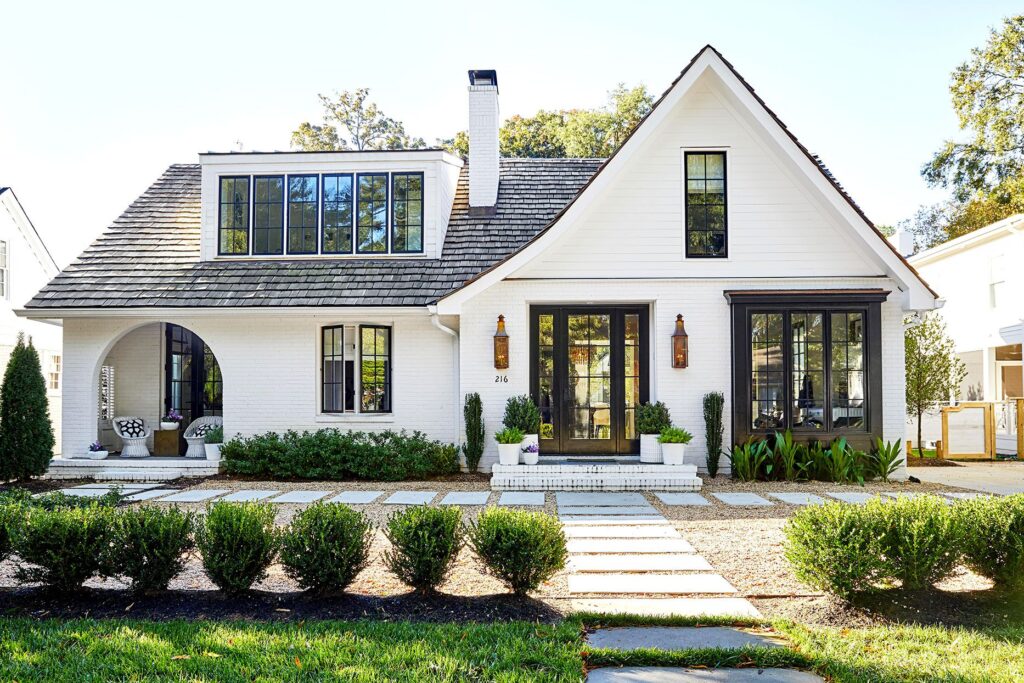
Exterior Changes That Feel Natural in a Neighborhood Remodel
- Subtle material upgrades over dramatic swaps
- Paint colors aligned with neighborhood tones
- Entry updates that elevate without overpowering
- Lighting that highlights architecture, not trends

Interior Changes That Still Respect the Exterior
- Interior style should reflect the home’s shell
- Over-modernizing can create disconnect
- Transitional approaches often work best
- Continuity improves long-term comfort
Scale and Massing Decisions That Protect Value
- Additions should feel integrated, not appended
- Rooflines should align with existing structure
- Height changes require careful balance
- Bigger is not always better
Landscaping as a Contextual Tool
- Planting styles should mirror neighborhood patterns
- Overly sculpted landscapes can feel foreign
- Simpler designs often age better
- Balance softens architectural updates
Why Planning With Context Prevents Regret
- Neighborhoods influence resale outcomes
- Design restraint reduces future corrections
- Local expectations are often unspoken
Frequently Asked Questions
Q: Does respecting neighborhood character limit creativity?
A: No, it provides a framework for better decisions.
Q: Can modern updates still fit older neighborhoods?
A: Yes, when proportion and scale are respected.
Q: Do buyers really notice context?
A: Almost always, even subconsciously.
Q: Is neighborhood alignment important for resale?
A: Very much so in established areas.
Remodeling With Context, Not Contrast
Ultimately, homes in established neighborhoods feel most successful when a neighborhood remodel elevates the property without disrupting the surrounding environment. Instead of introducing contrast for the sake of attention, thoughtful material choices and respectful proportions allow the home to blend confidently with its context. As a result, contextual planning helps a neighborhood remodel feel timeless rather than trend-driven. Because long-term value is closely tied to neighborhood harmony, these decisions matter more than they first appear. Therefore, if you want help evaluating how your neighborhood remodel can enhance your home while fitting naturally into its setting, booking a complimentary consultation can help you move forward with clarity and confidence.