Homes built in the early 2000’s sit in a unique position. They often have strong layouts, higher ceilings, and generous square footage, but many design elements now feel dated. Finishes, lighting, and materials from that era tend to age all at once, which is why many homeowners begin considering an early 2000s home remodel at the same time. Because updating these homes requires thoughtful prioritization, many homeowners choose to work with a team that understands how to modernize without overcomplicating the process. If you are considering updates and want guidance early, you can contact the Next Gen Design team to talk through the best strategy for your home.
This guide outlines the most effective remodel approaches for early 2000’s homes, focusing on updates that deliver the most visual and functional improvement.
Start With Flow and Layout in an Early 2000s Home Remodel
Early 2000’s homes were often designed with defined spaces rather than open layouts. Kitchens may feel partially closed off, dining rooms may be underused, and large foyers can feel disconnected.
Rather than moving walls immediately, many homeowners benefit from improving flow through wider openings, cleaner sightlines, and better circulation. Small layout adjustments often make the home feel more modern without the cost of a full reconfiguration.
Update Flooring to Unify an Early 2000s Home Remodel
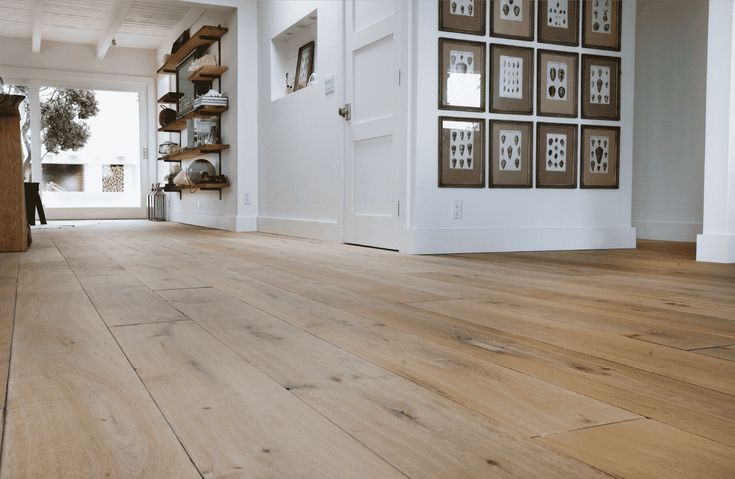
One of the most common issues in early 2000’s homes is inconsistent flooring. Tile in one area, wood in another, and carpet elsewhere can make the home feel fragmented.
Replacing flooring with a single, cohesive material throughout main living areas instantly modernizes the home. Wide plank engineered wood, luxury vinyl plank, or large format tile help create continuity and improve visual flow from room to room.
Refresh the Kitchen in an Early 2000s Home Remodel Without Overbuilding
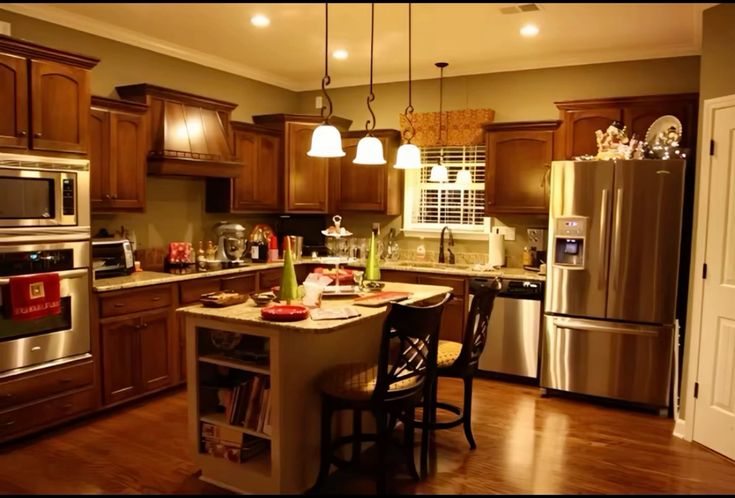
Kitchens from the early 2000’s often have functional layouts but dated finishes. Heavy cabinetry, busy countertops, and decorative backsplashes tend to age the space.
Rather than starting from scratch, many homeowners see strong results by updating cabinets, countertops, lighting, and hardware while keeping the existing footprint. This approach delivers a modern look while controlling costs and timelines.
Modernize Bathrooms in an Early 2000s Home Remodel With Timeless Materials
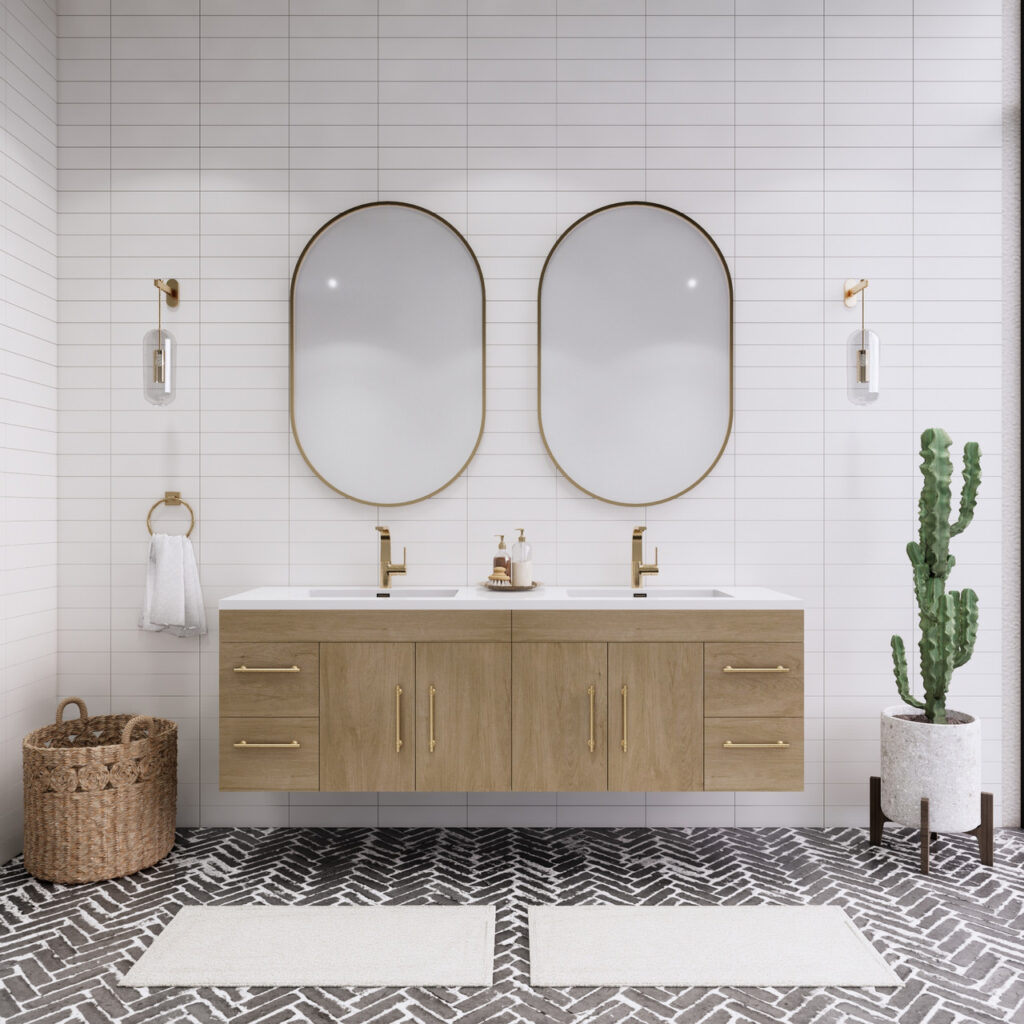
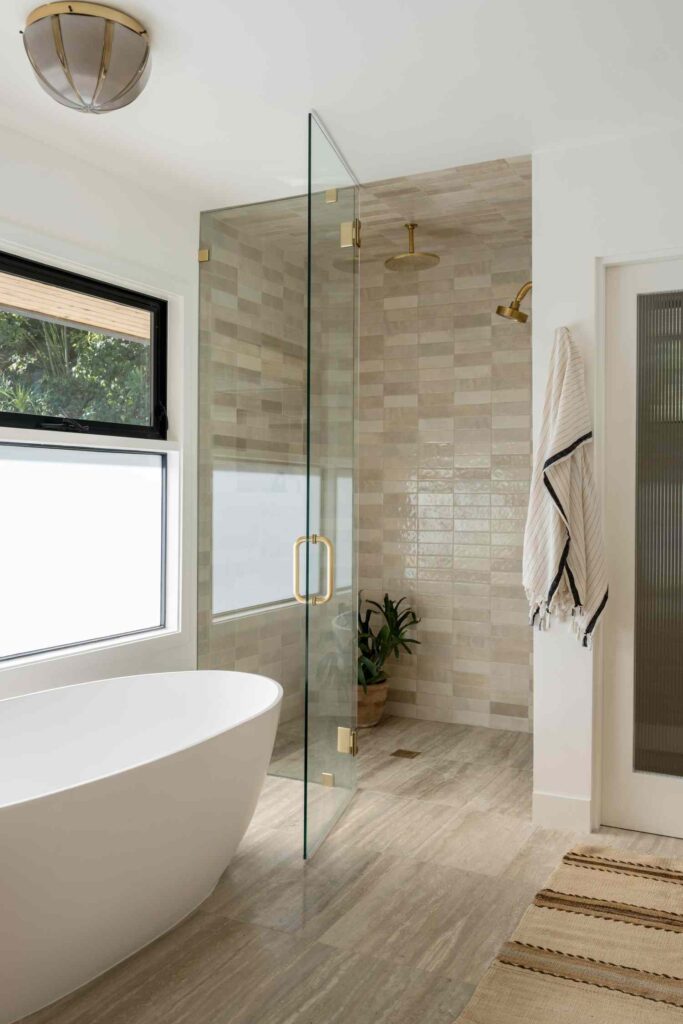
Bathrooms built in this era often include oversized tubs, small showers, and dated tile patterns. These spaces benefit greatly from simplified layouts and updated materials.
Walk in showers, neutral tile, floating vanities, and layered lighting help bathrooms feel current and spa like. These upgrades improve daily use and appeal to future buyers.
Replace Lighting That Dates the Home
Lighting is one of the most overlooked updates in early 2000’s homes. Bronze fixtures, ceiling fans with lights, and limited recessed lighting can make rooms feel dark or heavy.
Updating lighting with recessed fixtures, clean pendants, and warmer light temperatures instantly changes how the home feels. Proper lighting also highlights architectural features and finishes.
You can explore how lighting and interior updates are handled through our remodeling services.
Simplify Interior Details and Finishes
Decorative niches, heavy trim, and textured walls were popular in early 2000’s construction. While these elements added character at the time, they can now feel busy.
Smoothing wall textures, simplifying trim profiles, and reducing decorative elements helps create a cleaner, more modern backdrop. This allows furniture, lighting, and materials to stand out instead of competing for attention.
Upgrade Outdoor Living to Match the Interior
Many early 2000’s homes have large yards that were never fully developed. Outdoor spaces may feel disconnected from the home or lack usable features.
Adding defined patios, covered seating areas, outdoor kitchens, or fire features helps extend the living space. When outdoor upgrades align with interior design, the entire property feels more cohesive.
Frequently Asked Questions
Q: Are early 2000s homes worth remodeling?
A: Yes. These homes have strong bones and respond well to modern updates.
Q: Should updates be done all at once?
A: Not always. Many homeowners remodel in phases with a clear master plan.
Q: Which update makes the biggest impact?
A: Flooring, lighting, and kitchen updates usually deliver the strongest results.
Q: Do these homes need major structural changes?
A: Often no. Strategic updates usually provide significant improvement.
Conclusion
omes built in the early 2000s offer a strong foundation for modern living. With the right remodel strategy, these properties can feel current, cohesive, and aligned with how homeowners live today. By prioritizing flow, flooring, lighting, and thoughtful updates, homeowners can achieve meaningful transformation without unnecessary complexity. If you are planning a remodel and want guidance tailored to your home type, you can contact the Next Gen Design team to plan the next steps in your renovation.